
-

 Vendor:Hartmann
Hartmann DermaPlast® Quick Aid, self-adhesive foam bandage, 6 cm x 2 m
Features: Foam
Regular price From CHF 4.39 From CHF 4.06Sale price From CHF 4.39 From CHF 4.06 Regular priceUnit price CHF 2.33CHF 2.16 per mCHF 4.39 CHF 4.06plus CHF 18.63 shipping per parcel, excl. VAT
-
 Vendor:Hartmann
Hartmann PermaFoam Classic Round Wound Dressing, 6 cm | Pack (10 pieces)
Features: Foam
Low stockUnit price: CHF 4.56CHF 4.22 / pieceRegular price CHF 45.56 CHF 42.15Sale price CHF 45.56 CHF 42.15 Regular priceUnit price CHF 0.00 perCHF 45.56 CHF 42.15plus CHF 18.63 shipping per parcel, excl. VAT
-

 Vendor:BSN Medical
Cutimed Siltec B, wound dressing
Low stockUnit price: CHF 8.84CHF 8.18 / pieceRegular price From CHF 106.05 From CHF 98.10Sale price From CHF 106.05 From CHF 98.10 Regular priceUnit price CHF 0.00 perCHF 106.05 CHF 98.10plus CHF 18.63 shipping per parcel, excl. VAT
size: 12.5x12.5cm, 7.5x7.5cm, 10.0 x 10.0 cm, 15.0 x 15.0 cm, 17.5x17.5cm, 22.5x22.5cm, 10.0 x 22.5cm
-
 Vendor:BSN Medical
Cutimed Siltec Heel, silicone foam bandage, heel, sterile, 16 x 24 cm | Pack (5 wound dressings)
Unit price: CHF 30.19CHF 27.93 / pieceRegular price CHF 150.94 CHF 139.63Sale price CHF 150.94 CHF 139.63 Regular priceUnit price CHF 0.00 perCHF 150.94 CHF 139.63plus CHF 18.63 shipping per parcel, excl. VAT
-

 Vendor:BSN Medical
Cutimed Siltec Plus, wound dressing
Unit price: CHF 7.35CHF 6.80 / pieceRegular price From CHF 88.17 From CHF 81.56Sale price From CHF 88.17 From CHF 81.56 Regular priceUnit price CHF 0.00 perCHF 88.17 CHF 81.56plus CHF 18.63 shipping per parcel, excl. VAT
size: 20x20cm, 5x6cm, 10x10cm, 10x20cm, 15x15cm
-

 Vendor:BSN Medical
Cutimed Siltec Sacrum, wound dressing
Unit price: CHF 40.05CHF 37.05 / pieceRegular price From CHF 240.32 From CHF 222.31Sale price From CHF 240.32 From CHF 222.31 Regular priceUnit price CHF 0.00 perCHF 240.32 CHF 222.31plus CHF 18.63 shipping per parcel, excl. VAT
size: 23.0 x 23.0 cm, 17.5x17.5cm
-

 Vendor:BSN Medical
Cutimed Siltec L, wound dressing
Unit price: CHF 5.25CHF 4.86 / pieceRegular price From CHF 63.02 From CHF 58.30Sale price From CHF 63.02 From CHF 58.30 Regular priceUnit price CHF 0.00 perCHF 63.02 CHF 58.30plus CHF 18.63 shipping per parcel, excl. VAT
size: 10x10cm, 5x6cm, 15x15cm
-

 Vendor:BSN Medical
Cutimed Siltec, wound dressing
Unit price: CHF 7.55CHF 6.99 / pieceRegular price From CHF 90.65 From CHF 83.86Sale price From CHF 90.65 From CHF 83.86 Regular priceUnit price CHF 0.00 perCHF 90.65 CHF 83.86plus CHF 18.63 shipping per parcel, excl. VAT
size: 20x20cm, 5x6cm, 10x10cm, 10x20cm, 15x15cm
-
 Vendor:BSN Medical
Cutimed Siltec Heel 3D, wound dressing, 16 x 24 cm | Pack (6 wound dressings)
Unit price: CHF 36.09CHF 33.39 / pieceRegular price CHF 216.54 CHF 200.31Sale price CHF 216.54 CHF 200.31 Regular priceUnit price CHF 0.00 perCHF 216.54 CHF 200.31plus CHF 18.63 shipping per parcel, excl. VAT
-

 Vendor:BSN Medical
Cutimed Siltec B Oval, wound dressing
Low stockUnit price: CHF 9.32CHF 8.62 / pieceRegular price From CHF 111.84 From CHF 103.46Sale price From CHF 111.84 From CHF 103.46 Regular priceUnit price CHF 0.00 perCHF 111.84 CHF 103.46plus CHF 18.63 shipping per parcel, excl. VAT
size: 16.0 x 13.0 cm, 10x7cm
-

 Vendor:BSN Medical
Cutimed Siltec Sorbact B, wound dressing
Unit price: CHF 16.47CHF 15.24 / pieceRegular price From CHF 197.63 From CHF 182.82Sale price From CHF 197.63 From CHF 182.82 Regular priceUnit price CHF 0.00 perCHF 197.63 CHF 182.82plus CHF 18.63 shipping per parcel, excl. VAT


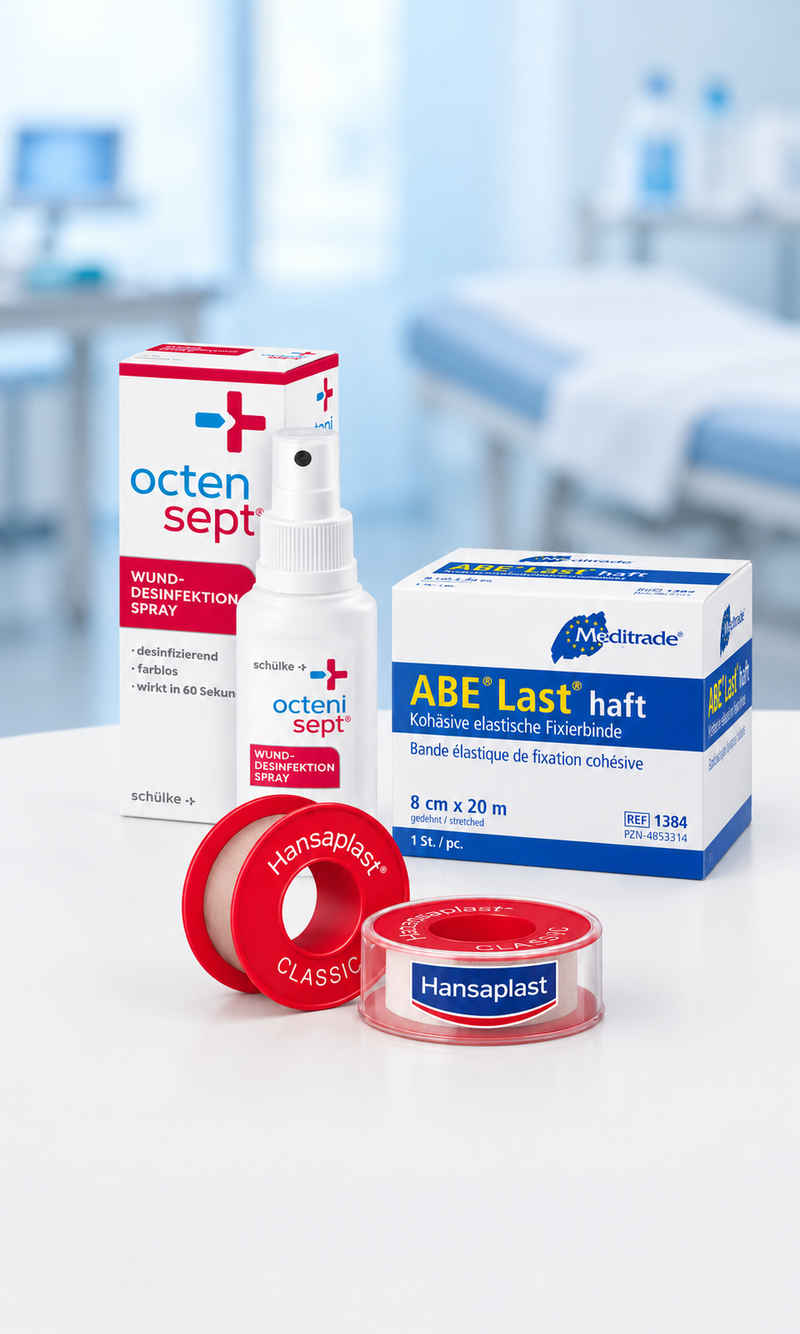


Foam dressings for the management of exuding wounds
Foam dressings are absorbent wound dressings that absorb excess wound exudate while maintaining a moist wound environment conducive to healing. They are used in doctors’ offices, hospitals, long-term care facilities, and outpatient care settings for chronic and acute wounds, such as leg ulcers, pressure ulcers, diabetic foot syndrome, or postoperative wounds. As a type of wound dressing, foam dressings are specifically designed for moderately to heavily exuding wounds where simple gauze pads or thin dressings reach their limits.
Depending on the model, foam dressings vary significantly in shape, adhesive border, and intended use. This allows for the selection of a suitable product for different wound conditions and body sites.
Features and Benefits of Foam Dressings
Foam dressings consist of an absorbent foam structure that absorbs wound exudate and retains it within the product rather than leaving it on the wound surface. Depending on the model, features and formats vary, making the products suitable for different wound types and body sites.
Typical characteristics of foam dressings:
- absorbent foam structure for a moist wound environment
- Depending on the model, features a silicone adhesive border that stays in place without secondary fixation
- some models feature a silicone film on the wound-contact side for gentler removal
- Available in a flat standard shape, special anatomical shapes, or as a self-adhesive roll
- Designed for low to high levels of exudate, depending on the product
- Many variants are not made with natural rubber latex
The specific features applicable in each case depend on the product in question. For smaller, superficial wounds, a simple, self-adhesive design is often sufficient, while chronic or more heavily exuding wounds require specifically selected foam dressings with an adhesive border or special shaping.
Which foam dressings are suitable for which applications?
Hartmann DermaPlast® Quick Aid is suitable for minor injuries and sensitive skin. According to the manufacturer, this elastic, self-adhesive foam dressing in roll form can be cut to size and is suitable for the rapid treatment of minor wounds.
Cutimed Siltec B is recommended for chronic wounds with mild to heavy exudation. According to the manufacturer, this highly absorbent foam dressing with a silicone adhesive border stays in place without secondary fixation and can remain on the wound for up to seven days, depending on the wound condition.
Cutimed Siltec Sacrum is suitable for pressure sores in the sacral region. According to the manufacturer, its shape—anatomically tailored to the coccyx—is designed to allow for wrinkle-free application to this area, which is particularly prone to pressure.
What should you look for when purchasing foam dressings?
A key selection criterion is the expected amount of exudate from the wound. Low-exudate wounds require different foam dressings than high-exudate, chronic wounds, which demand greater absorbency.
Shape and dimensions also play a role. Flat, rectangular dressings are suitable for many standard situations, while anatomically shaped variants are designed for body areas such as the heel or sacrum, where a straight-cut dressing does not fit well. The dimensions should always be matched to the actual wound size.
Another criterion is the adhesive border: Some foam dressings with a silicone adhesive border stay in place without additional fixation, while other designs require separate fixation. When selecting wound dressings, it’s also worth considering special coatings—such as bacteria-binding variants—if additional microbial reduction is desired along the wound bed.
Flat standard dressing, special anatomical shape, or self-adhesive roll—which foam dressing is right for you?
Flat, rectangular, or oval foam dressings are the classic design and are suitable for flat or slightly curved areas of the body. They form the basis of most foam dressing lines and are available in several sizes.
Special anatomical shapes, such as sacrum or heel dressings, are tailored to highly contoured, hard-to-treat areas of the body. They prevent wrinkling on curved surfaces and some are equipped with extra-thick foam for additional pressure relief.
Self-adhesive dressings in roll form differ from the two previous types in their flexibility regarding cut size: They can be individually adapted to the specific wound size and are particularly practical for smaller, less complex wounds. The appropriate shape depends on the wound size, body location, and amount of exudate.
Application and Guidelines for Foam Dressings
Before applying a foam dressing, the wound should be properly cleaned and assessed. Depending on the product and the condition of the wound, a dressing can remain on the wound for several days, but it should be checked regularly for moisture, detachment, or changes in the wound.
When changing the dressing, ensure that you follow hygienic procedures. Silicone-coated versions can generally be removed more gently, but they do not replace careful observation of the wound area.
For chronic, worsening, or non-healing wounds, the next steps should be coordinated with a qualified medical professional—a foam dressing is part of wound care but does not replace a professional assessment of the wound itself.
Suitable Supplements for Wound Care
Gauze pads are suitable as an additional absorbent or cushioning layer, for example when securing a dressing or as a supplementary cover. Wound gel aids in wound cleansing and maintains the wound environment prior to a dressing change, while wound disinfectant ensures hygienic preparation of the wound area. Together with other wound dressings, this allows for the creation of a coordinated wound care regimen.


